Totoro and other anime heroes go to war in this sculpture spotted here. At the same site, disturbing giant finger and spider legs sculptures.
*Previously: How to make Totoro cream puffs.
*Buy Totoro toys at eBay.


The Americans, seasoned by years of war here and in Iraq, would seek to create an intricately violent response, designed to undo the odds, save the pinned soldiers and kill the insurgents who, for a moment, had shown themselves.3. Pranksters installed swings on San Francisco's BART.
I propose this deal: the baby boomers can continue their astonishing string of selling out every single principle they ever claimed to have (R.I.P George Carlin) and keep their precious network television. Meanwhile, Gen X and the Millennials can have the internet. Oh, we're already doing that? Cool.*Previously: Lego Shadow of the Colossus.


In the past few hours, I’ve discovered and blocked at least six web crawlers trying to go through the site and download everything as quickly as possible, in violation of the rules in our robots.txt file. Two of them seemed to be focusing on the posts related to the Georgia crisis.
Pretty unusual activity for a Wednesday afternoon.

Born in 1879 as Iosif Vissarionovich Dzhugashvili, the man who would become known as Stalin, was known throughout his childhood and youth as Soso. Young Soso was born and raised in the industrial Georgian town of Gori, in the far reaches of the Russian Empire. This seething Caucasian town was a turbulent mix of piety, honor and drunken unruliness. "Gori was one of the last towns to practice the picturesque and savage custom of free for all town brawls with special rules, but no holds barred violence. Boozing, praying and fighting were all interconnected, with drunken Priests acting as referees." Soso's father was a drunken cobbler who viciously abused him. His mother was compassionate, yet maybe too much so, as she had a reputation for being promiscuous. Stalin was certainly aware, writes Montefiore, that his biological father might have been one of three neighborhood men that were close to the family. The Georgia of Stalin's youth was also steeped in a culture of rebellion and banditry. Young Soso grew up hearing stories of heroic Georgians who fought off the imperialist forces of Russia, and his original revolutionary cohorts were a turbulent admixture of dedicated Marxists and bloodthirsty criminals.
One of his favorite OSS stories involved a colleague sent to occupied France to destroy a seemingly impenetrable German tank at a key crossroads. The French resistance found that grenades were no use.
The OSS man, fluent in German and dressed like a French peasant, walked up to the tank and yelled, "Mail!"
The lid opened, and in went two grenades.
to my Amazon wish list.
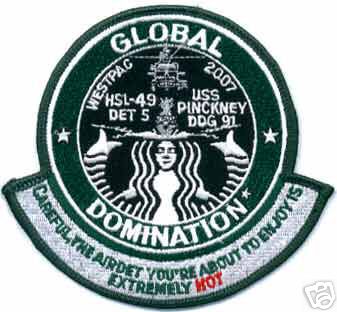
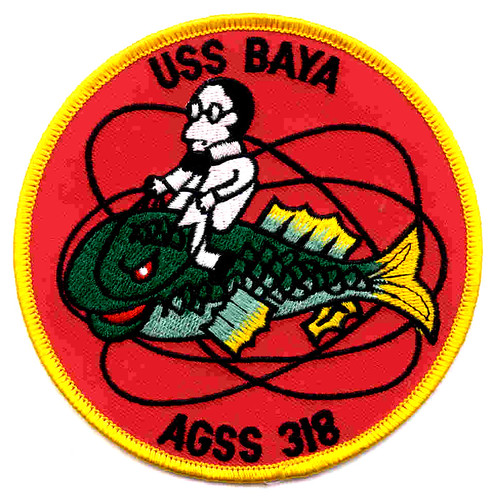
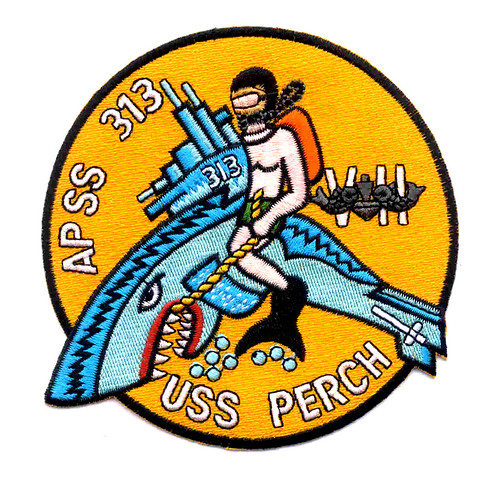
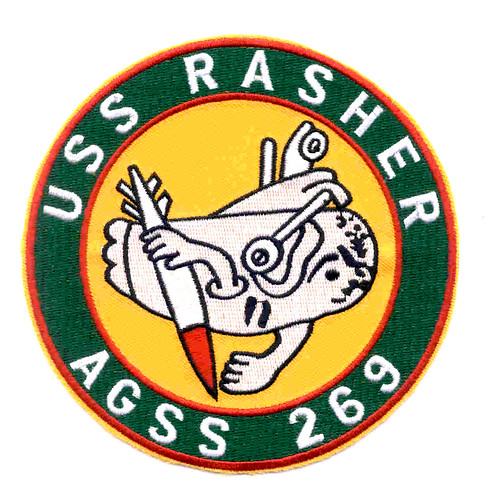
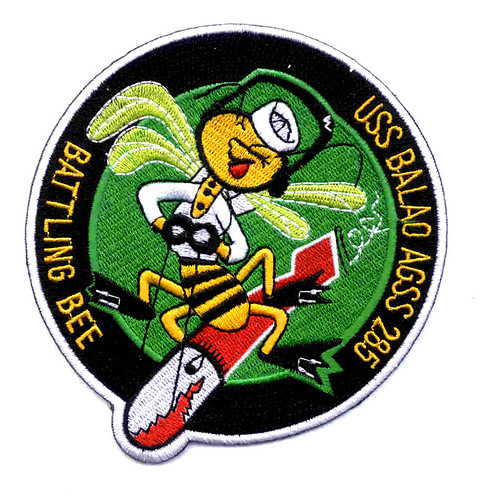

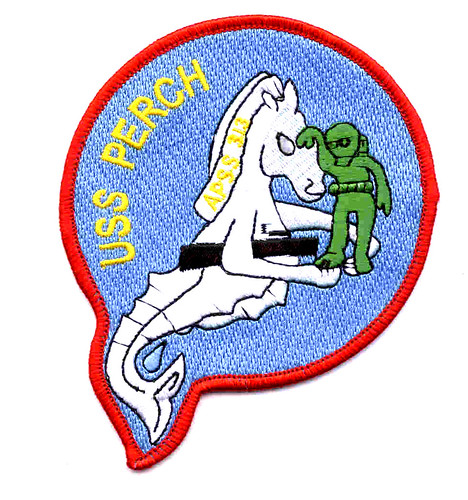
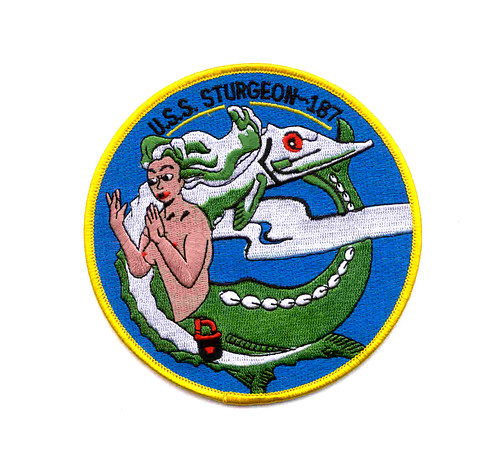
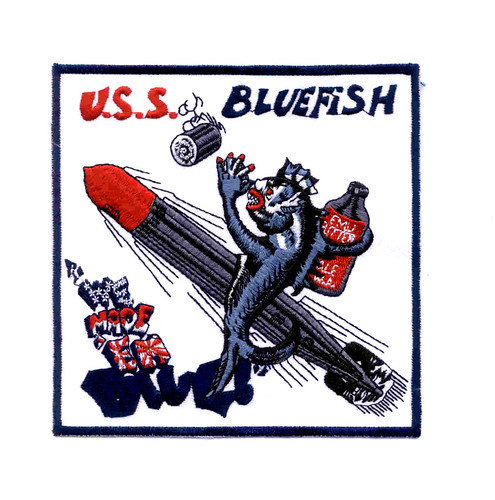
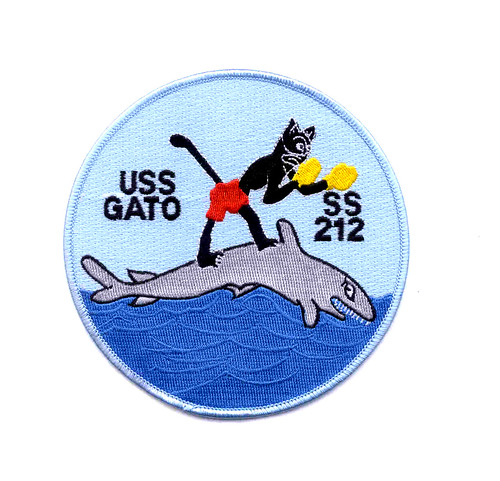
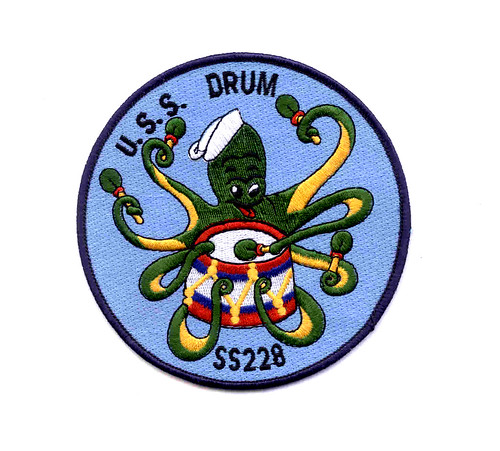
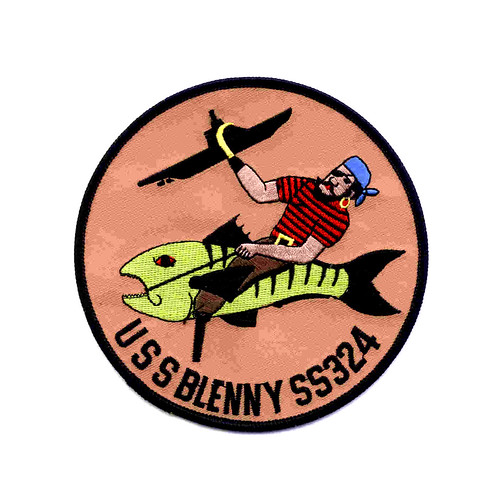
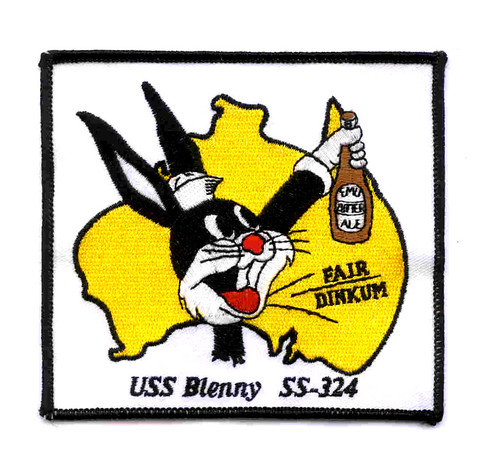
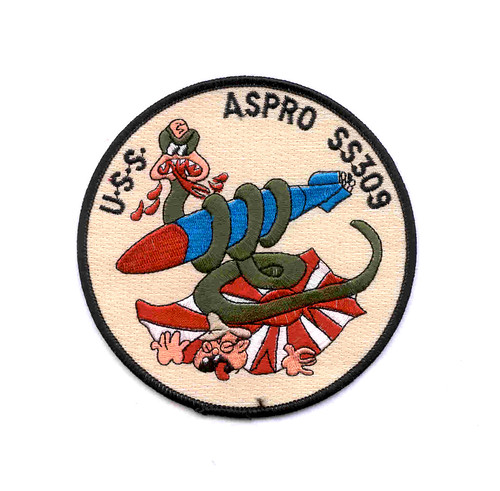
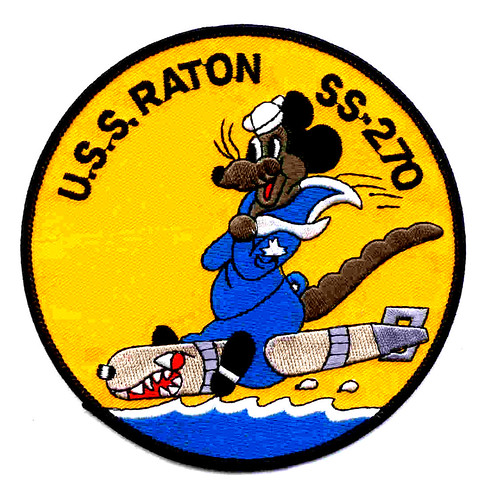
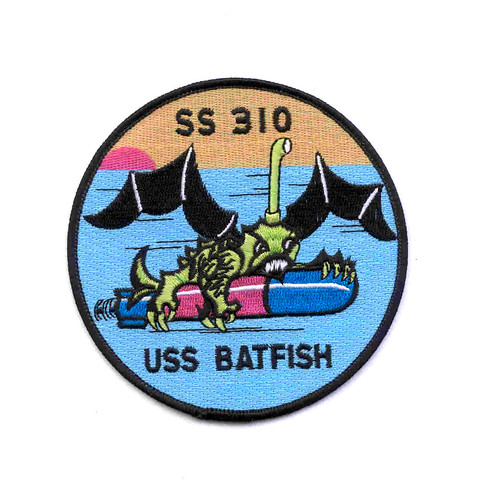

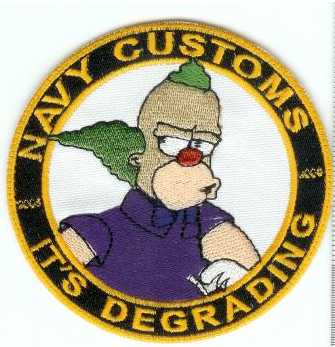
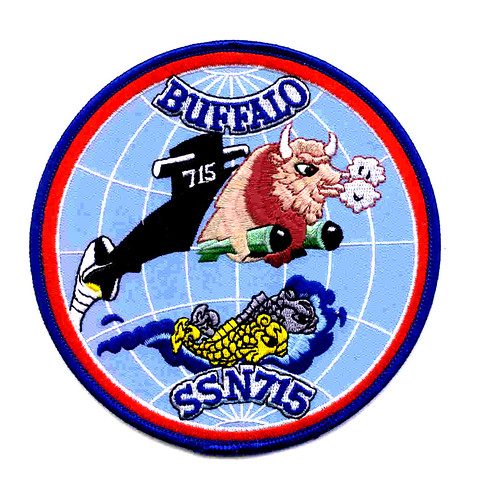
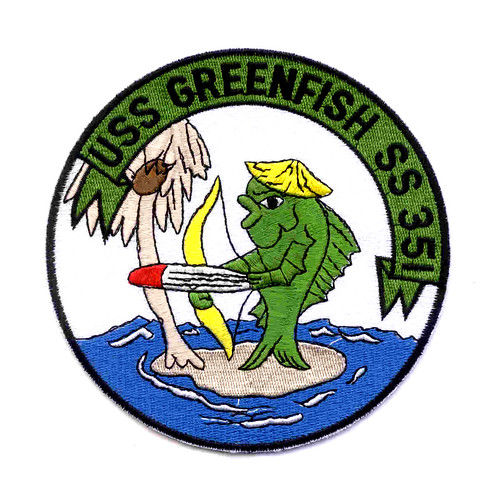
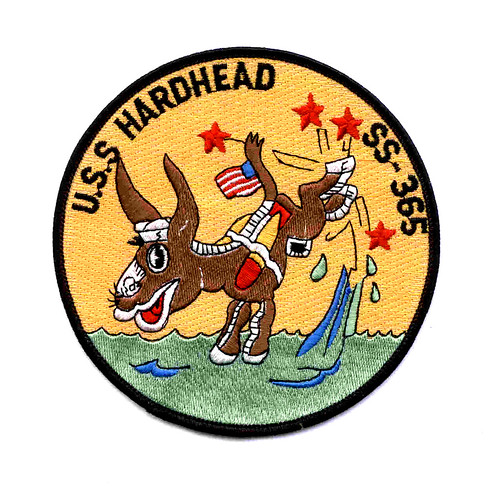
Shown here for the first time, these seventy-five patches reveal a secret world of military imagery and jargon, where classified projects are known by peculiar names ("Goat Suckers," "None of Your Fucking Business," "Tastes Like Chicken") and illustrated with occult symbols and ridiculous cartoons. Although the actual projects represented here (such as the notorious Area 51) are classified, these patches-which are worn by military units working on classified missions-are precisely photographed, strangely hinting at a world about which little is known.
By submitting hundreds of Freedom of Information requests, the author has also assembled an extensive and readable guide to the patches included here, making this volume the best available survey of the military's black world-a $27 billion industry that has quietly grown by almost 50 percent since 9/11.